Sheridan Road Has Become an Accident Hotspot For People Walking In Rogers Park
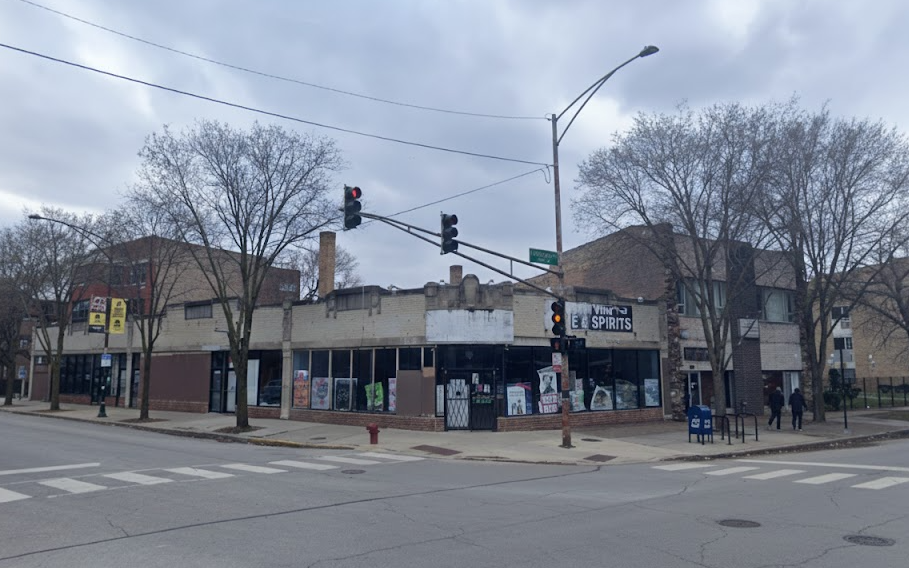
When an SUV driver hit and killed 34-year-old Sergio Maya near Pratt Boulevard and Sheridan Road in the early morning hours, it was not just a heartbreaking loss for his friends and family. The tragic collision was another painful warning about a Chicago corridor that’s been putting vulnerable users of Chicago’s roadways who are on foot or on bikes at risk for years.
Sheridan Road in Rogers Park functions less like a neighborhood street and more like a fast conduit for drivers heading to and from DuSable Lake Shore Drive. It’s a four-lane, highway-style roadway where speeding is common, gaps in traffic are unpredictable, and people on foot are often left to fend for themselves in front of multi-ton vehicles. Sheridan Road was never intended to function as this type of roadway, and this use has been forced on Chicagoans as the neighborhood became more dense and there were more motorists.
This isn’t an isolated crash. Streetsblog Chicago, which Keating Legal sponsors, has documented other serious and fatal collisions along Sheridan Road, including a 2018 case where a driver making a left turn struck and killed 91-year-old Lorraine Campion further south on the corridor. The pattern is familiar: wide roadway, high speeds, limited protections for pedestrians and cyclists, and families left searching for answers after the fact.
When a street invites highway speeds in a dense neighborhood, it becomes a funnel for tragedy rather than a safe way to move people through a community. The City of Chicago’s own Vision Zero plan is supposed to give pedestrians and bicyclists a higher priority in the use of the City’s streets.
What Keeps Going Wrong On High Speed Arterials Like Sheridan Road?
Crashes like the one that took Mr. Maya’s life don’t happen in a vacuum. Certain patterns keep showing up on corridors that blend neighborhood activity with highway-style design, including:
- Multiple Fast Lanes In Each Direction: Four general-purpose lanes encourage drivers to jockey for position, change lanes at the last second, and push the speed limit because the road feels more like a through-route than a city street.
- Long, Intimidating Crossings: People on foot may have to cross several moving lanes without a safe median, which means more time in the roadway and less margin for error if a driver fails to slow down or is inattentive.
- Limited Traffic Calming: Without narrower lanes, refuge islands, or raised crossings, there’s very little to physically force drivers to slow down or pay closer attention to crosswalks.
- Conflicting Turning Movements: Left turns and quick merges create blind spots where a pedestrian can be invisible until the moment a driver is already committed to a move.
When the City of Chicago combines those conditions with early morning or late-night travel, when visibility is lower and drivers may be tired or distracted, the risk climbs even higher. That’s why families in neighborhoods like Rogers Park keep calling for real change rather than another cycle of memorials and promises.
How Could A Road Diet Make Sheridan Road Safer For Everyone?
Transportation advocates have been urging Chicago to redesign Sheridan Road for years, and the conversation has focused on a “four-to-three conversion” road diet. That design would replace four general-purpose lanes with one travel lane in each direction, a center turn lane, and protected bike lanes.
A thoughtful road diet can:
- Reduce Speeds Without Gridlock: Narrowing the space for fast passing and adding a dedicated turn lane calms traffic, so drivers move at safer, more consistent speeds instead of surging and braking.
- Create Predictable Space For People On Bikes: Protected bike lanes give cyclists a defined, safer place to ride, instead of forcing them to mix with high-speed traffic or squeeze along the edge of the roadway.
- Shorten Crossings For Pedestrians: With fewer general-purpose lanes to cross and space for islands or bump-outs, people on foot have less exposure time in front of moving vehicles.
- Turn A Barrier Into A Connector: A safer Sheridan would make it easier for residents to reach transit, businesses, and the lakefront without feeling like they’re stepping into a danger zone every time they cross the street.
Chicago has already seen benefits from similar transformations on other busy streets. Applying those lessons to Sheridan means treating the safety of people on foot and on bikes as a non-negotiable, not an afterthought.
What Should You Do After A Serious Pedestrian Or Bicycle Crash?
When a loved one is hit on a corridor that everyone already knows is dangerous, it’s normal to feel angry and overwhelmed. At Keating Law Offices, our award-winning personal injury lawyers have seen how quickly families get pulled into a maze of police reports, insurance calls, and unanswered questions at the exact moment they’re trying to grieve or focus on healing.
A few early steps can help protect your rights while the investigation unfolds:
- Get Medical Care and Follow Through: Even if someone walks away from the scene, hidden injuries are common. Strong medical documentation from day one helps tie the crash to the full scope of harm, including injuries that get worse over time.
- Preserve Every Piece of Evidence You Can: Photos of the scene, damaged clothing, shoes, and medical records all help tell the story of what happened and how it changed a person’s life. Families should also write down what they remember about the crash location, lighting, and traffic patterns before those details fade.
- Be Careful With Insurance Conversations: Adjusters may sound sympathetic, but their job is to limit payouts. It’s usually best to avoid recorded statements or quick settlement offers until you’ve had a chance to talk with a lawyer who understands pedestrian and bicycle cases.
- Talk To A Lawyer Who Knows Chicago Streets: Crashes on high-speed corridors often involve design issues, prior incidents, and systemic failures. An attorney who’s familiar with local traffic patterns and safety history can dig deeper, from obtaining surveillance footage to consulting with experts on road design and human factors.
No legal outcome can bring someone back or reset the clock on a serious injury. But a strong civil case can hold drivers and, when appropriate, other responsible parties accountable, while also sending a clear signal that dangerous conditions can’t be ignored.
Talk To Chicago Lawyers Who Stand Up For Cyclists And Pedestrians
Keating Law Offices was built around the idea that people who walk and ride in Chicago deserve real protection on the streets they use every day. When a corridor like Sheridan Road keeps generating tragedy, it’s a sign that the system needs to change, not that people on foot should simply “be more careful.”
If you or someone you love was hit while walking or biking in Chicago, we’re ready to listen, investigate what happened, and pursue the full accountability and compensation the law allows. To find out how Keating Law Offices, P.C. can help with your potential case, call 833-CALL-KLO or contact us online today for a free consultation.
“I had a great experience working with KLO. I was hit by a car on my bike, and I didn't think anyone would take my case. But they did, and it was a great success! I got a very fair settlement in a reasonable amount of time. Plus, they were all incredibly helpful! I send all my friends who need help to KLO.” - S.J., ⭐⭐⭐⭐⭐