
A Bicycle Crash Can Throw The Brain Into Chaos In Seconds
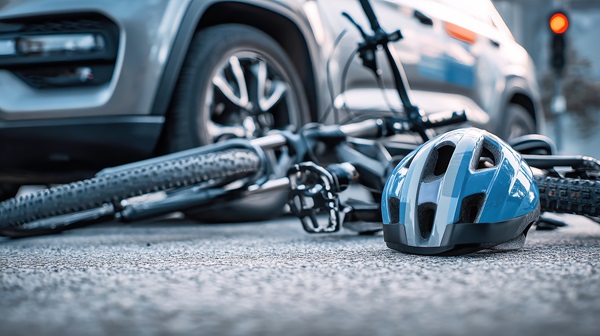
A cyclist doesn’t need to be pinned under a vehicle to suffer a life-changing brain injury in a bicycle accident. Sometimes the driver passes too close, opens a door into the bike lane, or makes a careless turn. Due to the driver’s negligence, the rider is then thrown hard enough that the body hits first, and the brain still pays the price. One second, you're upright and moving through Chicagoland traffic. Next, you're on the pavement trying to figure out why the world feels slow, loud, and wrong.
At Keating Law Offices, P.C., our Chicago bicycle accident lawyers know that brain injuries often begin with that violent change in motion. Illinois law gives bicyclists the same rights and duties as drivers on the roadway, which matters because these crashes are often caused by motorists who treat cyclists as if they don't belong there.
The Brain Can Be Injured Even Without A Direct Head Strike
People often imagine a brain injury as a dramatic blow to the skull. That can happen, but it isn't the only way. When a cyclist is thrown from a bike, the body stops suddenly while the brain continues moving inside the skull. That rapid motion can stretch and disrupt brain tissue even if the helmet does its job and even if there is no obvious bleeding right away.
For example, a rider on Milwaukee Avenue may get clipped by a turning vehicle, hit the pavement shoulder-first, and still suffer a concussion because the neck snapped and the head whipped violently during the fall. The visible injuries may be road rash and a broken wrist. The invisible injury may be the one that lingers and has life-altering consequences. That is one reason these cases get underestimated early by uneducated insurance adjusters and insurance defense attorneys.
Chicago Bike Crashes Often Create The Exact Forces That Cause Concussions
The mechanics of bicycle crashes make brain injuries especially common. A cyclist has little protection, a high center of gravity, and almost no margin for recovery once balance is lost. Even the best bicycle helmet cannot protect against all of the physical forces that can lead to a head injury.
Here are some of the most common crash patterns that throw cyclists hard enough to cause brain injuries:
Dooring Collisions
Illinois law says no person shall open a vehicle door into moving traffic unless it is reasonably safe and can be done without interfering with traffic. When a driver or passenger opens a door into a cyclist’s path, the rider is often launched forward or sideways with no time to brace.
Unsafe Passing Crashes
Illinois requires drivers overtaking a bicycle to leave a safe distance of at least 3 feet. When that space isn't given, cyclists can be sideswiped, forced off line, or destabilized by the close pass itself.
Turning Conflicts At Intersections
A driver who turns across a cyclist’s path can create a sudden impact that sends the rider over the bars or into the roadway before there is any chance to react.
Evasive Swerves To Avoid Vehicles
Sometimes the vehicle never fully hits the bike. A cyclist swerves to avoid a right hook, parked car, or encroaching driver and is still thrown violently to the ground.
These are not “simple falls.” They are abrupt force events that can scramble the brain even when outside injuries look manageable.
Symptoms Often Build After The Adrenaline Wears Off
One of the hardest parts of bicycle-related brain injury cases is that the rider may seem “mostly okay” right after the crash. Adrenaline is high, pain is sometimes masked, and then later, the signs start to show.
Common symptoms include headache, dizziness, nausea, sensitivity to light, trouble concentrating, memory problems, sleep disruption, and unusual irritability. A rider may go home thinking they escaped with bruises, then wake up the next day unable to look at a phone screen or follow a normal work conversation.
Insurance companies love that delay because they think it creates room to argue that the crash itself was not the cause of the brain issues. They make the argument that if the injury was so bad, it would have been present right away. This is a very outdated and medically inaccurate conclusion. Research has shown that not all brain injuries are alike. Different people respond in different ways, and the amount of force involved in a crash is not the same.
Why Brain Injuries In Bike Cases Get Minimized So Often
Brain injuries are easy for insurers to dispute because they don't always show up on early imaging and may not look dramatic on the outside. If the cyclist was wearing a helmet, the defense may try to suggest that the brain must have been fully protected. If the rider stood up after the crash, they may act like the injury can't be that serious.
However, that's not how concussions and brain injuries work.
A helmet can reduce the risk of skull fracture and still not stop the brain from moving violently inside the skull. A rider can answer questions at the scene and still spend the next month dealing with headaches, balance problems, and mental fatigue that make ordinary life harder.
The Legal Side Matters Because Cyclists Have Rights On Illinois Roads
These crashes aren't just random events that happen in some gray area of the law. Illinois expressly gives bicyclists the rights and duties of vehicle drivers on the roadway. That matters because brain injury cases often begin with a driver or insurer trying to suggest the cyclist was “in the way” or shouldn't have been there in the first place.
The law doesn't support that attitude.
When a driver passes too closely, opens a door into traffic, or turns across a cyclist’s line, the legal framework is already there. The challenge is often proving the full extent of the brain injury and refusing to let the defense reduce it to a minor fall. That's where strong medical and factual documentation becomes critical.
FAQs About Brain Injuries After Bicycle Crashes
Can a cyclist suffer a brain injury even while wearing a helmet?
Yes. A helmet can reduce the risk of skull fracture and some direct-impact injuries, but it can't completely stop the brain from moving inside the skull during a violent fall or crash.
Do you have to hit your head to get a concussion in a bike crash?
Not always. A sudden whipping motion of the head and neck can be enough to disrupt brain function, even without a direct blow to the skull.
What are common signs of a concussion after a bicycle accident?
Headaches, dizziness, nausea, light sensitivity, confusion, memory problems, fatigue, and trouble concentrating are all common warning signs.
Why do insurance companies dispute brain injury claims in bicycle cases?
They often argue that the rider looked fine at the scene, that scans were normal, or that the crash was too minor to cause a serious injury. Brain injuries often don’t fit neatly into those assumptions.
Can Illinois traffic laws help prove fault in a bicycle brain injury case?
Yes. Illinois laws on dooring, safe passing distance, and cyclists’ rights on the roadway can help show that the crash happened because a driver violated a safety rule, not because the cyclist “came out of nowhere.”
The Best Brain Injury Cases Are Built Before The Symptoms Get Dismissed
A cyclist with a suspected brain injury shouldn't wait for the symptoms to “get serious enough” before taking them seriously. The record starts forming immediately, and it matters.
That means getting evaluated, reporting the symptoms clearly, following through with treatment, and making sure the crash story is documented while it is still fresh. It also means recognizing that the real injury may not be the cut on the elbow or the crack in the helmet. It may be the fog, dizziness, memory trouble, or headaches that keep disrupting life long after the bike is repaired.
If a Chicago bicycle crash left you dealing with those kinds of symptoms, Keating Law Offices, P.C. can help you sort through what happened and what the law allows. Call 833-CALL-KLO or contact Keating Law Offices online today for a free consultation so we can review the crash, the injury pattern, and the evidence before the insurance company turns a real brain injury into “just a fall.”
"Keating was able to 15x my settlement offer after being hit by a car on a bicycle. Highly recommended!! (The attorney) was an incredible help with the whole process and always reachable for questions." - S., ⭐⭐⭐⭐⭐